_w=1366_h=908_pjpg.jpg?v=202405071552)
Why Visit Tuscany?

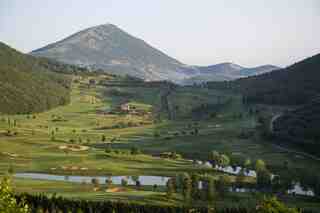
Tuscany is a region where familiar landscapes, historic towns and rural life sit easily side by side. Its long views, rolling hills, olive groves, cypress‑lined lanes and long‑established hill towns, create a setting many people recognise, yet it still feels distinctive when you experience it first-hand. What makes the region especially straightforward for travellers is how well its areas connect: Florence for major museums, Siena for medieval streets, and smaller towns for markets, cafés and quieter everyday routines.
Chianti and the countryside south of Siena are what many picture when they think of the region, with vineyards, stone farmhouses and olive groves shaping the landscape. Further north, the Lucca, Pisa and Lunigiana area is more wooded and closer to the coast, while Florence and its surrounding hills blend major cultural landmarks with quick escapes into rural scenery. South and east, the Val d’Orcia opens into wide, open views and small towns shaped by Renaissance planning and long-established agricultural traditions.
For villa holidays, Tuscany works well because the settings vary but the day‑to‑day rhythm stays simple. CV Villas’ collection includes homes in Chianti and Siena, around Florence, in Lucca, Pisa and Lunigiana, along the Tuscany Coast and in the Val d’Orcia. This gives travellers the freedom to choose between being close to major towns or opting for quieter rural surroundings. The villas range from family‑friendly places to larger homes suited to groups and more private properties for slower stays. Wherever you base yourself, views, local shops and nearby villages naturally shape the feel of the holiday.
As our Villa Specialist Paola Cuconato puts it: “With its rolling hills, beaches, charming villages and picturesque views, Tuscany is one of the most sought‑after places to visit in Italy. It offers so much culture, varied local cuisine and landscapes that stay with you long after you’ve left.”
Best Time to Visit Tuscany?
Tuscany experiences clear seasonal variations, and the best time to visit depends on the type of holiday you have in mind. Spring and early autumn are widely regarded as reliable periods for comfortable temperatures and manageable visitor numbers.
During spring, the landscape shifts into fresh greens, and towns feel active without the intensity that arrives later in the season. April can still vary in temperature, but May and June usually provide longer, warmer days that suit walking routes, outdoor meals and general sightseeing. Gardens, rural paths and hill towns tend to look their best at this time of year, and many cultural sites feel easier to navigate before summer crowds build.
By July and August, Tuscany reaches its warmest point. This period works well for villa stays, pool days and coastal trips, as the long, hot afternoons naturally lend themselves to slower itineraries. It is also when visitor numbers rise most noticeably in Florence, Siena and other cultural centres. Planning indoor visits for the morning or late afternoon can help avoid the hottest hours, and coastal areas benefit from breezes that make beach days more comfortable.
Autumn, particularly September and early October, is often chosen by travellers who prioritise food, wine and countryside journeys. The weather remains warm enough for outdoor activities, and the sea retains much of its summer heat, making coastal stops still enjoyable. This period also marks harvest season in many vineyard areas, and rural landscapes begin to change colour, giving a quieter but still active feel to towns and villages.
Visit Tuscany summarises the best time to visit by saying: “Traveling to Tuscany is always a great experience and each season has something special to offer. " That's why it's impossible to define which is the best time of the year to visit it.

How to get to Tuscany?
Tuscany is relatively easy to reach, with two main airports - Florence (Amerigo Vespucci) and Pisa (Galileo Galilei) - serving regular European routes. Pisa is particularly well connected, and both cities offer straightforward onward rail links. Rail travel is a practical option for those visiting Florence, Siena, Lucca, Pisa, Arezzo and other major towns, as services are frequent and cover much of the region. For travellers arriving via Rome or Bologna, high‑speed trains provide a direct and efficient route into Florence.
The best way to get around depends on where you stay. If your base is in or near Florence, Siena, Lucca or Pisa, public transport is often sufficient and avoids the complexities of ZTL (restricted traffic) zones. However, rural areas, including Chianti, the Val d’Orcia, the countryside near Cortona and parts of Lunigiana, are best explored by car. Distances are manageable, and many of the region’s highlights sit along quiet roads, where small towns, viewpoints and local producers become part of the journey.
Car Hire
A car hire offers freedom to explore inland villages. For inland drives or a seamless arrival, we can arrange car hire and transfers before you travel. This ensures your holiday begins the moment you land, with everything tailored to your itinerary.
Culture & History in Tuscany

Tuscany’s cultural identity has developed across many eras, beginning with its Etruscan settlements, growing through the power of its medieval city‑states and reaching a high point during the Renaissance. Florence is central to this story. Its UNESCO‑listed centre brings together major landmarks, the Cathedral of Santa Maria del Fiore, Giotto’s Campanile and the Baptistery, alongside museums such as the Uffizi and the Pitti Palace, where works by Giotto, Brunelleschi, Botticelli and Michelangelo form a significant part of the city’s heritage. The Accademia, home to Michelangelo’s David, and viewpoints like Piazzale Michelangelo give visitors a clear sense of the city’s scale and layout.
Elsewhere in Tuscany, several historic centres offer their own distinct picture of the region’s past. Siena is regarded as one of Europe’s best‑preserved medieval cities, with its Gothic architecture, narrow streets and the well‑known Piazza del Campo at its centre. Pisa’s Piazza del Duomo, home to the cathedral, baptistery, Leaning Tower and Camposanto, forms a unified medieval complex that played an important role in shaping architectural styles across Italy. Lucca provides a quieter contrast, its complete ring of 16th‑century Renaissance walls now a tree‑lined walkway encircling the historic centre.
Smaller towns add further character. San Gimignano’s preserved medieval towers give the town its recognisable skyline and reflect the rivalries of its wealthy families. To the south, the Val d’Orcia shows how Renaissance ideas of land management shaped the countryside, while nearby Pienza, redesigned by Pope Pius II, is noted as one of the earliest examples of planned Renaissance urban design. Tuscany is also home to the Medici Villas and Gardens, a UNESCO‑listed group of 14 residences demonstrating the family’s influence on architecture and landscape design across the region.
Together, these cities, towns and rural areas give Tuscany a cultural depth that spans many centuries and remains a central part of the region’s appeal.
Best Tuscan Beaches to Visit
Tuscany has more than 200 kilometres of coastline along the Tyrrhenian Sea, offering a very different side to the region from its inland hills and towns. The shoreline is varied, with long sandy stretches, pine forests, sheltered coves and rocky headlands appearing in different sections such as the Apuan Riviera, Versilia, the Etruscan Coast, the Maremma, the Silver Coast and the islands of the Tuscan Archipelago.
In the north, Versilia is the easiest area to reach from Lucca or Pisa. The beaches here are broad and sandy, supported by well‑run beach clubs and shallow water that suits families. Places like Forte dei Marmi, Marina di Pietrasanta and Viareggio offer plenty of space and facilities, along with a more traditional seaside atmosphere.
As you move south, the coast becomes more mixed. The Etruscan Coast includes both rocky inlets and longer runs of sand. Castiglioncello is one of the quieter resorts, with small coves and clear water set away from the busier northern towns. Further down, in the Maremma, the landscape opens out and nature reserves run close to the sea. This is a good area for longer beach walks, dunes and low‑key swimming spots.
The Silver Coast around Monte Argentario shifts again, with steeper terrain, viewpoints and small pebble beaches where the water is especially clear. Offshore, Elba and the surrounding islands offer a slower pace and protected bays reached by ferry, with both sandy and pebble options.
For villa guests, it’s easy to plan beach days alongside inland sightseeing. Stays near Lucca or Pisa give straightforward access to Versilia, while those based in Siena or the Val d’Orcia can reach the Maremma or Argentario with a comfortable drive. CV Villas also features properties close to the coast for travellers who prefer to be nearer the shoreline.
Food & Drink in Tuscany

Tuscany’s food culture is rooted in seasonality and simple preparation. Much of the cooking follows the idea of La Cucina Contadina, where straightforward ingredients are used without much complication. Across the region you’ll find small trattorias and osterias serving dishes that reflect local habits, hearty meat dishes appearing more often inland, and fish and shellfish taking the lead along the coast.
Many of the staples are long‑established: ribollita, pappa al pomodoro and handmade pici pasta are common in the countryside, often paired with slow‑cooked ragùs or autumn ingredients such as mushrooms, wild boar and truffles. On the coast, the focus shifts to seafood, and cacciucco, the Livornese stew, is one of the most recognisable dishes. Florence has a strong network of traditional osterie and busy markets like Sant’Ambrogio, while Lucca maintains its own pasta traditions. In Pisa, cecina, a simple chickpea flatbread, is a local favourite. Smaller hill towns often have dishes tied closely to local produce.
Wine is central to the region’s identity. Chianti Classico, Brunello di Montalcino, Vino Nobile di Montepulciano and Vernaccia di San Gimignano each reflect the characteristics of their surroundings, and many villas sit within easy reach of estates offering tastings and visits.
If you prefer to cook at your villa, markets and village shops sell the basics, vegetables, cheeses, cured meats and fresh fish from local pescherie. Truffles play an important role in many seasonal dishes, and areas such as San Miniato are particularly known for their black truffles.
We also offers food‑focused experiences, including cooking classes, vineyard visits and truffle hunts, for guests who want to explore regional ingredients more closely.
Where to Stay: Our Villas in Tuscany

Our Tuscany villas are set across some of the region’s best‑loved areas, from vineyard country to hilltown landscapes and coastal surroundings, giving you plenty of choice between countryside calm, cultural days out and easy scenic drives.
Here are a few suggestions to inspire your search:
- Casa Gelsomino - Just a stroll away from a charming village with all the essential holiday amenities, this family villa in Tuscany brings contemporary style to a character building, overlooking miles of countryside.
- Casa di Sopra - An ancient farmhouse, beautifully restored, Casa di Sopra is now a fabulous family villa in Tuscany, thoughtfully designed by the artistic owners to combine contemporary facilities with country house elegance.
- Tenuta del Vescovo - The perfect venue for a special celebration, Tenuta del Vescovo boasts endless green gardens, six spacious bedrooms, and ample space for outdoor living, all within easy reach of Florence.
To find out more about Tuscany, make sure to speak with one of our Villa Specialists or make an enquiry today.
 Chat on Whatsapp